



The Historical Roots of Gambling
Gambling has deep historical roots that trace back thousands of years across various civilizations. The earliest recorded instances of gambling can be found in ancient China, where tiles dating back to 2300 BC were used for a rudimentary game of chance. Similarly, the Romans and Greeks engaged in betting as a form of entertainment, showcasing the universal appeal of risk-taking and luck. These ancient societies viewed gambling not merely as a pastime but as a reflection of social status, economic power, and community bonding. At places like https://slotrize-ie.com/, you can experience modern gambling options that resonate with this rich history.

Throughout history, gambling has evolved from simple games of chance to more complex systems involving strategic thinking and skill. In medieval Europe, for example, card games became popular, providing not only entertainment but also a means of social interaction among different classes. The cultural significance of these activities extended beyond mere play; they often served as a platform for social commentary and artistic expression, demonstrating how deeply intertwined gambling is with the human experience.
As societies advanced, the legal and ethical implications of gambling began to emerge, sparking debates about morality, addiction, and societal impact. Governments responded with varying degrees of regulation, from outright bans to tax incentives on gambling revenues. This evolution highlights gambling's ability to adapt within cultural contexts while simultaneously reflecting the values and challenges of those societies.
Cultural Perspectives on Gambling
Cultural attitudes toward gambling vary significantly across the globe, often influenced by religious beliefs and social norms. In Western societies, gambling is frequently viewed as a form of entertainment, a legal activity supported by various forms of regulation and taxation. Casinos, lotteries, and sports betting are celebrated as opportunities for leisure and financial gain, contributing billions to national economies. However, this acceptance comes with ongoing discussions about responsible gambling and its potential pitfalls.
In contrast, many Eastern cultures exhibit more ambivalent or negative attitudes toward gambling. For instance, in countries like China, while gambling is a popular activity, particularly during festivals like the Lunar New Year, it is often associated with superstition and moral downfall. The duality of gambling as both a festive activity and a potential source of shame reflects complex societal values that view it through a lens of caution and risk.
The intertwining of gambling with cultural rituals and ceremonies also highlights its significance. In some Indigenous cultures, gambling games serve as rites of passage or communal events, enriching social cohesion. This shows that while gambling may appear as mere entertainment, it can often carry profound cultural meanings that strengthen bonds within communities.
The Economic Impact of Gambling
The economic ramifications of gambling are extensive, influencing local and national economies significantly. Legalized gambling generates substantial revenue through taxes and job creation. This influx of capital often funds public services, from education to healthcare, demonstrating how societies leverage gambling for financial benefit. Additionally, the growth of online gambling platforms has expanded market reach, allowing individuals to engage in gambling activities from the comfort of their homes.
However, the economic benefits of gambling come with accompanying challenges. Communities often face issues related to gambling addiction and social strain, leading to calls for responsible gaming measures. The tension between economic growth and public health considerations becomes a focal point for lawmakers and community leaders, who must navigate this complex landscape. For instance, while some regions thrive economically due to tourism associated with casinos, they also grapple with the social costs of increased gambling-related problems.
The rise of gambling as an economic driver also intersects with global tourism trends. Many countries market their gambling options as tourist attractions, drawing visitors from around the world. This dynamic illustrates how gambling transcends local boundaries, linking diverse cultures and economies in a shared pursuit of chance and fortune. The balance between capitalizing on this lucrative market and ensuring community welfare remains a pivotal discussion in understanding gambling's role in modern society.
The Psychological Aspects of Gambling
Gambling is not solely a cultural or economic phenomenon; it delves deeply into psychological territory. Many individuals are drawn to gambling due to the thrill of risk and the potential for reward, which activates the brain's reward systems. The excitement surrounding uncertainty can lead to an adrenaline rush, creating a cycle that keeps players returning for more. Understanding these psychological triggers is essential for grasping why gambling holds such appeal across different cultures.
Moreover, the psychological impact of gambling extends beyond enjoyment. For some, gambling can lead to addiction, characterized by compulsive behavior and financial distress. This darker side of gambling complicates its cultural significance, as communities must confront the reality of addiction and its repercussions. Support systems, including counseling and self-help groups, are often necessary to help individuals navigate these challenges, reflecting a community's commitment to addressing the more harmful effects of gambling.
Interestingly, research has shown that cultural factors can influence gambling behaviors and perceptions of addiction. In societies where gambling is more accepted, individuals may be less likely to recognize their behavior as problematic. Understanding these psychological nuances allows for a more informed approach to gambling regulations and support systems, ensuring that cultural attitudes toward gambling are respected while safeguarding public health.
Gambling in Contemporary Society
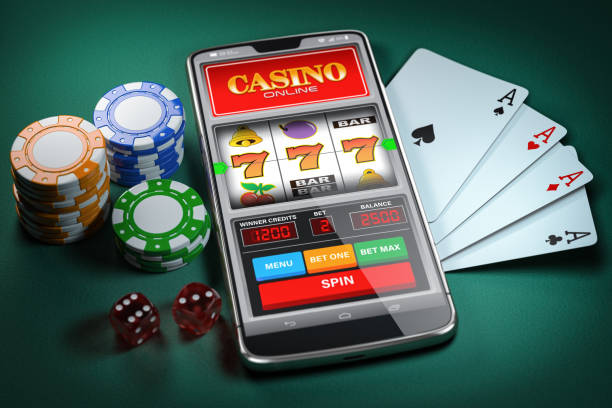
The advent of technology has significantly altered the landscape of gambling, introducing online platforms and mobile applications that have revolutionized how individuals engage with gambling activities. Today, people can access a vast array of gambling options from anywhere in the world, emphasizing a shift toward convenience and accessibility. This transformation has reshaped the cultural significance of gambling, making it more integrated into daily life than ever before.
Additionally, the rise of social media and online communities has fostered a new dimension of gambling culture, where experiences can be shared and celebrated. Gamblers can connect with others who share their interests, creating a sense of belonging that transcends geographical boundaries. This online camaraderie contributes to the normalization of gambling, intertwining it with social interactions and entertainment in contemporary society.
However, the ongoing challenge lies in balancing this increased accessibility with the potential for negative consequences. As more people engage in gambling through online platforms, the need for responsible gaming practices becomes paramount. Societies must grapple with how to implement regulations that protect vulnerable individuals while allowing for the enjoyment and economic benefits of gambling. This delicate balancing act underscores the importance of understanding gambling's multifaceted role in modern life.
Window cleaning is often overlooked in the grand scheme of home and office maintenance, yet it plays a crucial role in enhancing the overall aesthetic and functionality of a space. Clean windows not only improve the appearance of a building but also contribute to a healthier environment. In this blog post, we will explore the benefits of regular window cleaning, effective techniques, and tips for maintaining sparkling windows.
Why Clean Windows Matter
Aesthetic Appeal
Clean windows significantly enhance the curb appeal of a home or office. They allow natural light to flood in, creating a warm and inviting atmosphere. Whether you are preparing for a special event or simply want to enjoy a clearer view of the outdoors, sparkling windows can make a world of difference.
Health Benefits
Dirty windows can harbor dust, allergens, and pollutants that may affect indoor air quality. Regular cleaning helps to minimize these irritants, promoting a healthier living and working environment. This is particularly important in healthcare facilities, where cleanliness can directly impact patient health.
Longevity of Windows
Over time, dirt, grime, and hard water stains can damage window surfaces. Regular cleaning helps to prevent these issues, extending the life of your windows and saving you money on potential repairs or replacements.
Effective Window Cleaning Techniques
DIY vs. Professional Cleaning
While some may opt for a DIY approach to window cleaning, hiring professionals can often yield better results. Professional window cleaners have access to high-grade tools and cleaning compounds that effectively remove tough stains without damaging the glass.
They also have the expertise to safely clean hard-to-reach windows, ensuring a thorough job.
Tools of the Trade
If you choose to clean your windows yourself, having the right tools is essential. A squeegee, microfiber cloths, and a bucket of warm soapy water are the basics. For stubborn stains, consider using a mixture of vinegar and water or a specialized window cleaning solution.
Tips for Maintaining Clean Windows
- Regular Schedule: Establish a routine for window cleaning, ideally every few months, to prevent buildup of dirt and grime.
- Choose the Right Time: Clean windows on a cloudy day to avoid streaks caused by the sun drying the cleaning solution too quickly.
- Use the Right Technique: Start from the top and work your way down, using a squeegee in a reverse S motion for the best results.
Conclusion
In conclusion, window cleaning is an essential aspect of maintaining a clean and healthy environment. Whether you choose to tackle the task yourself or hire professionals, the benefits of clean windows are undeniable. They not only enhance the beauty of your space but also contribute to better air quality and the longevity of your windows. So, take a moment to look out your windows—if they’re not as clear as they could be, it might be time for a good cleaning!